
117.8 million people are displaced today. If they were a single country, it would be among the fifteen largest — and it would have the worst health outcomes of any of them.
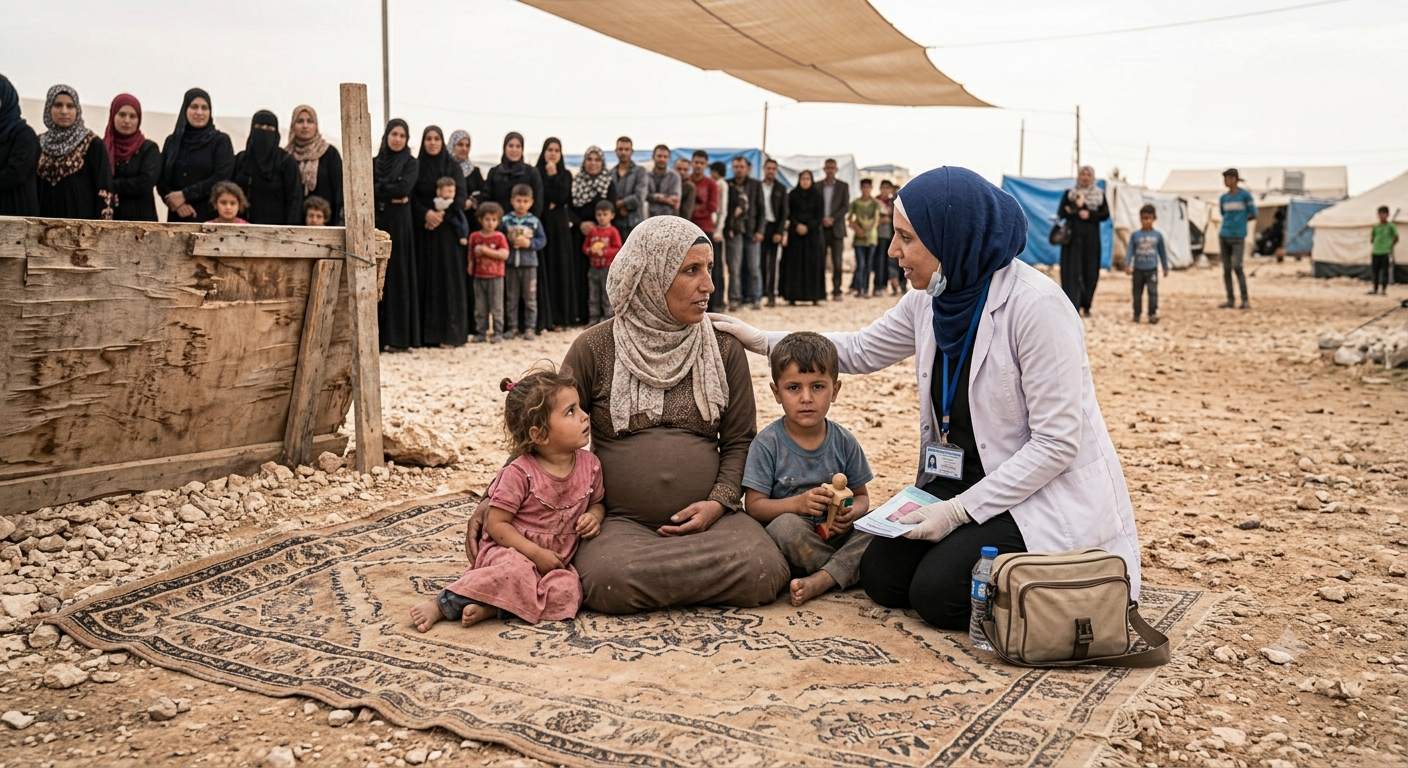
Health depends on people having access to a livelihood, nourishing food, appropriate shelter, suitable clothing, and hygienic conditions. Displacement strips people of exactly this. The most imminent public health problem for displaced people is disease, made worse by poor living conditions and exposure to unfamiliar environments and health systems that were never designed for them.
Our evidence base comes from five years working directly in Türkiye with Syrian refugees — our lab, where we built and tested the companion before taking it to Delivery Partners working with displaced communities elsewhere.
Up to 60x the increase in mortality among populations on the move.
75-87% of Syrian refugee children in Türkiye are not fully immunized.
7 of 8 recommended antenatal visits are missed. The WHO recommends eight.
Vaccines are prepared from microorganisms such as viruses and bacteria that cause disease in people and animals. Vaccines do not have the same ill-effects as exposure to the microorganisms from which they are derived. This is because vaccines stimulate the immune system to fight against foreign microorganisms without inducing disease. After vaccination, the body can recognize the microbe or the toxin and develop a defense system against it. Thus, when the body encounters the actual microorganism, it can fight and defeat it. A vaccinated individual is now immune to that disease. Immunity is one of the most important public health intervention for preventing deaths and disease.
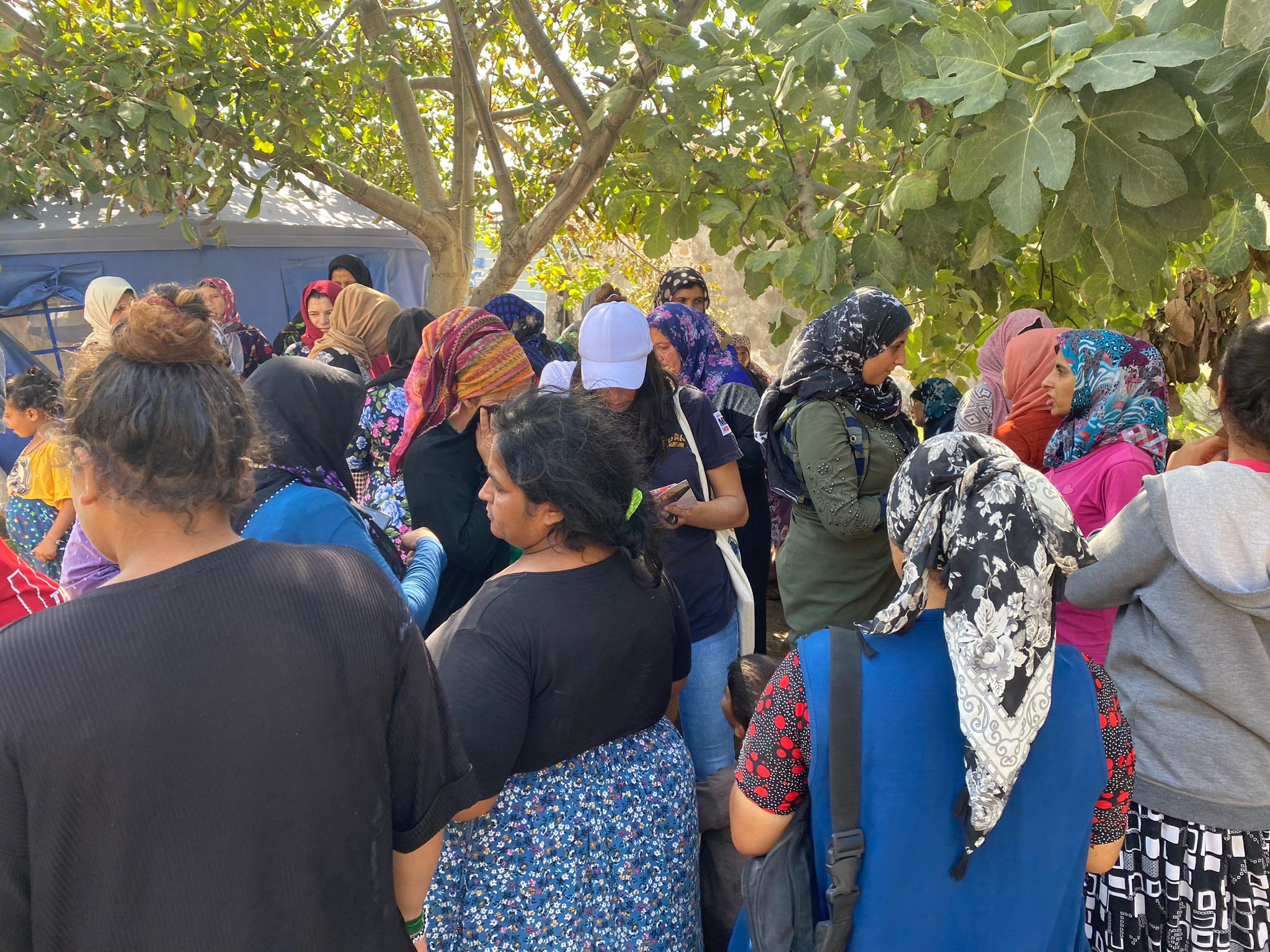
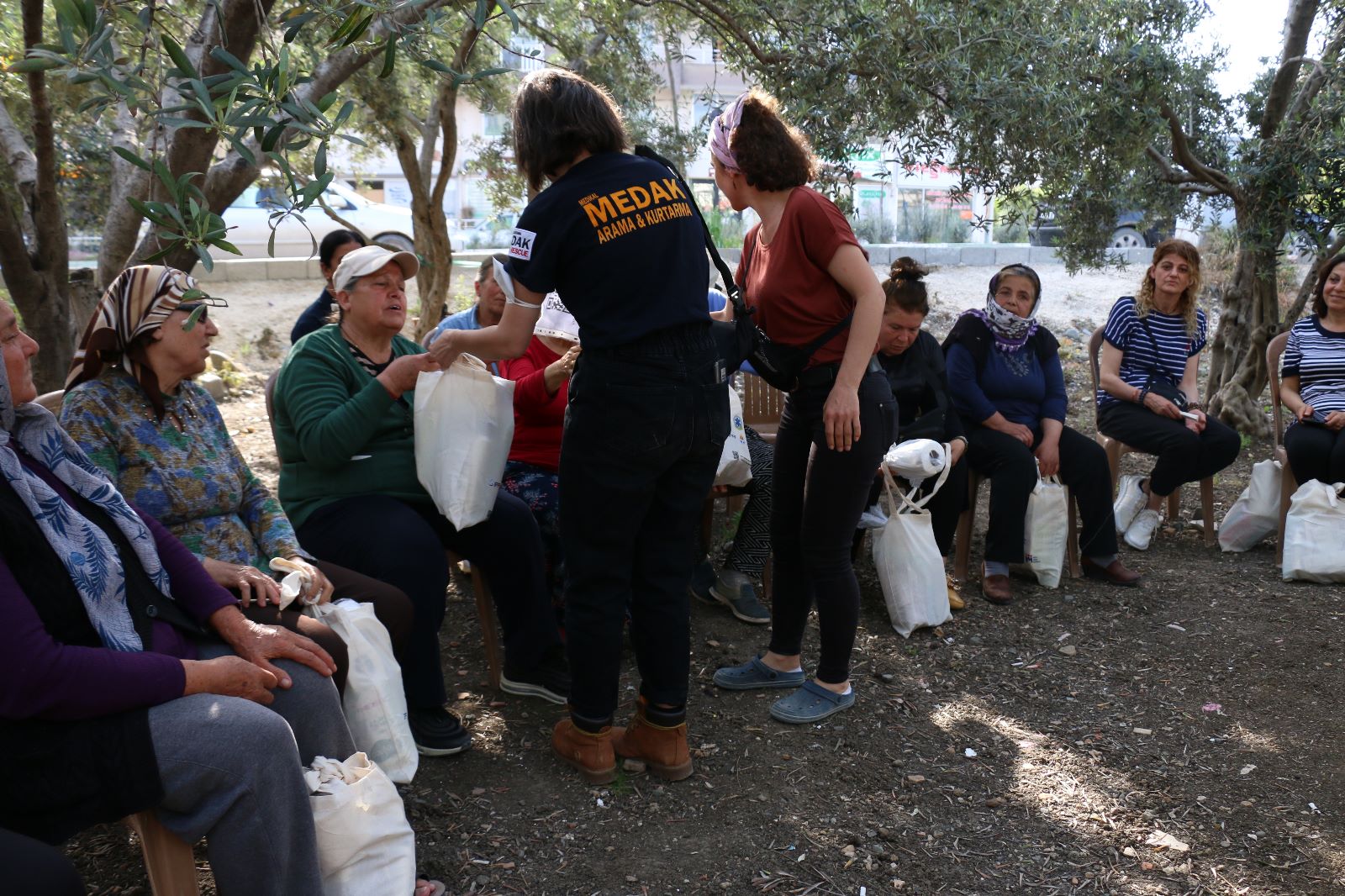
Every year, more than 600,000 women around the world lose their lives to pregnancy and childbirth-related complications. Preventive care services are required to promote a healthy birth and protect the health of both the mother and the newborn. These services include prenatal, natal, and postnatal care. Prenatal care is the periodic monitoring of mother and the baby during necessary medical examinations. The goal of prenatal care is to assure that women and babies have healthy pregnancies. During prenatal care, risky pregnancies and diseases can be detected prior to birth. Diseases that may complicate pregnancy can be diagnosed and treated. Decisions can be made around the location and method of birth. Mothers can receive information about nourishment, pregnancy hygiene, the birth itself, post-birth care, infant care, and available methods of family planning after the birth.
Aral Sürmeli of HERA pitches at Fast Forward Demo Day 2021

HERA: EIB SIT Alumni

HERA at EIB SIT
